
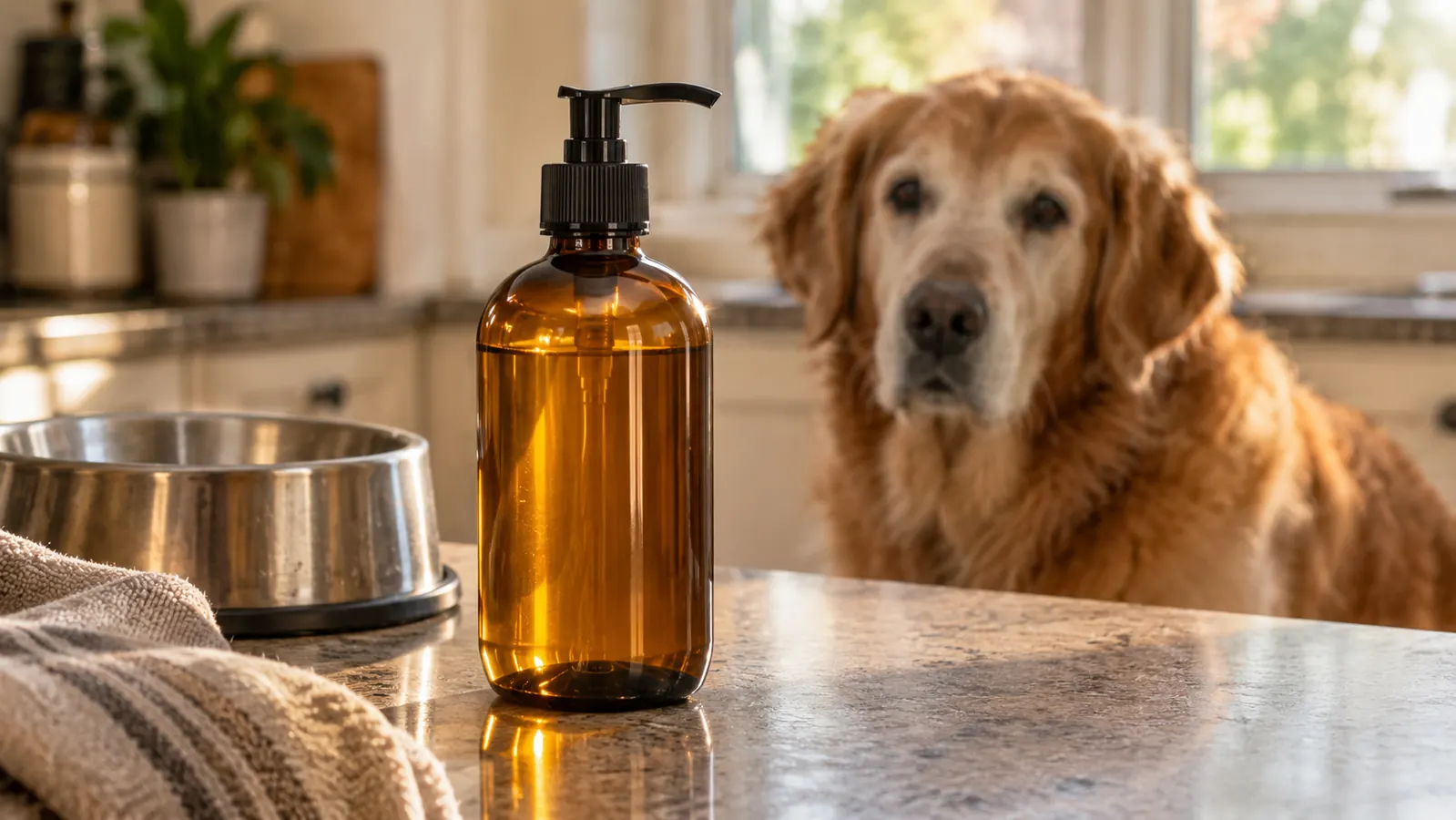
The first time I opened a bottle of fish oil for Rosie, I dribbled it down the side of her bowl and onto the floor. She is a 9-year-old yellow Labrador mix, about 68 pounds, with a sensitive stomach and seasonal itchy skin that shows up in late summer. I am not a vet. I am a retired physical therapy aide who spent years watching bodies move and recover, and now I watch her the same way. When her scratching picked up last July, I started Native Pet Omega 3 after checking with Dr. Patel. This is how it went, and how it compares with Welactin.
If you want the short answer, Native Pet Omega 3 is the one that fit my routine. It is an 8 oz pump bottle of wild-caught salmon oil and wild-caught pollock oil. The label says 2 pumps per 20 pounds of body weight daily, and I worked Rosie up to her label amount over a week. Welactin is the fish oil I associate with vet clinics, and it has a longer history in that setting. Both are liquid fish oils. Neither is a cure for arthritis, allergies, or anything else. The right pick comes down to what your dog will eat, what your vet recommends, and whether you want a small pump bottle or a brand your clinic already knows.
| Native Pet Omega 3 | Welactin | |
|---|---|---|
| Form | 8 oz pump bottle, oil | Liquid fish oil, pump bottle |
| Fish sources | Wild-caught Alaskan salmon oil and wild-caught pollock oil named on the label | Fish oil formula with omega-3 content on its label |
| Daily dose | 2 pumps per 20 lbs, per the label | Pump dose by weight on its own label |
| Vet familiarity | I found it on my own | Common in vet clinics and vet conversations |
| Bottle size | 8 oz | Larger sizes are common |
| Best for | One dog, a simple breakfast pump, two named fish oils | Owners who want the brand their clinic knows |
What I Compared
I compared them on form, what is in the bottle, how easy the dose is, how the oil smells, and how Rosie handled it. I did not run a lab test. I did not switch back and forth every week. I used Native Pet for about two months, and I have seen Welactin in vet offices and heard it named by techs. That is not a clinical trial. It is a dog owner's notebook.
Welactin is a fish oil supplement for dogs, usually sold as a liquid with a pump. It has been around long enough that it shows up in clinic display cases. I have not fed it to Rosie, so I will not pretend I know how she would take it. I can compare the label experience and the category, not a head-to-head taste test. If your vet stocks Welactin and recommends it, that is a strong reason to start there.
One more thing before the table: fish oil is not a cure-all. The omega-3 fatty acids can support the skin barrier and may help with inflammation, but they do not replace a diagnosis for allergies or arthritis. I say that because I have watched Rosie itch through a whole summer even with oil in her bowl. The oil helped. It did not erase the season.
Where Native Pet Wins
The first advantage is the label. Native Pet names two fish sources: wild-caught Alaskan salmon oil and wild-caught pollock oil. The listing also says zero fillers. I like knowing what is in the bottle. With a dog who has a sensitive stomach, fewer unknowns is better. I am not saying Welactin is full of junk. I am saying Native Pet made the two fish easy to see, and that is a detail I can check.
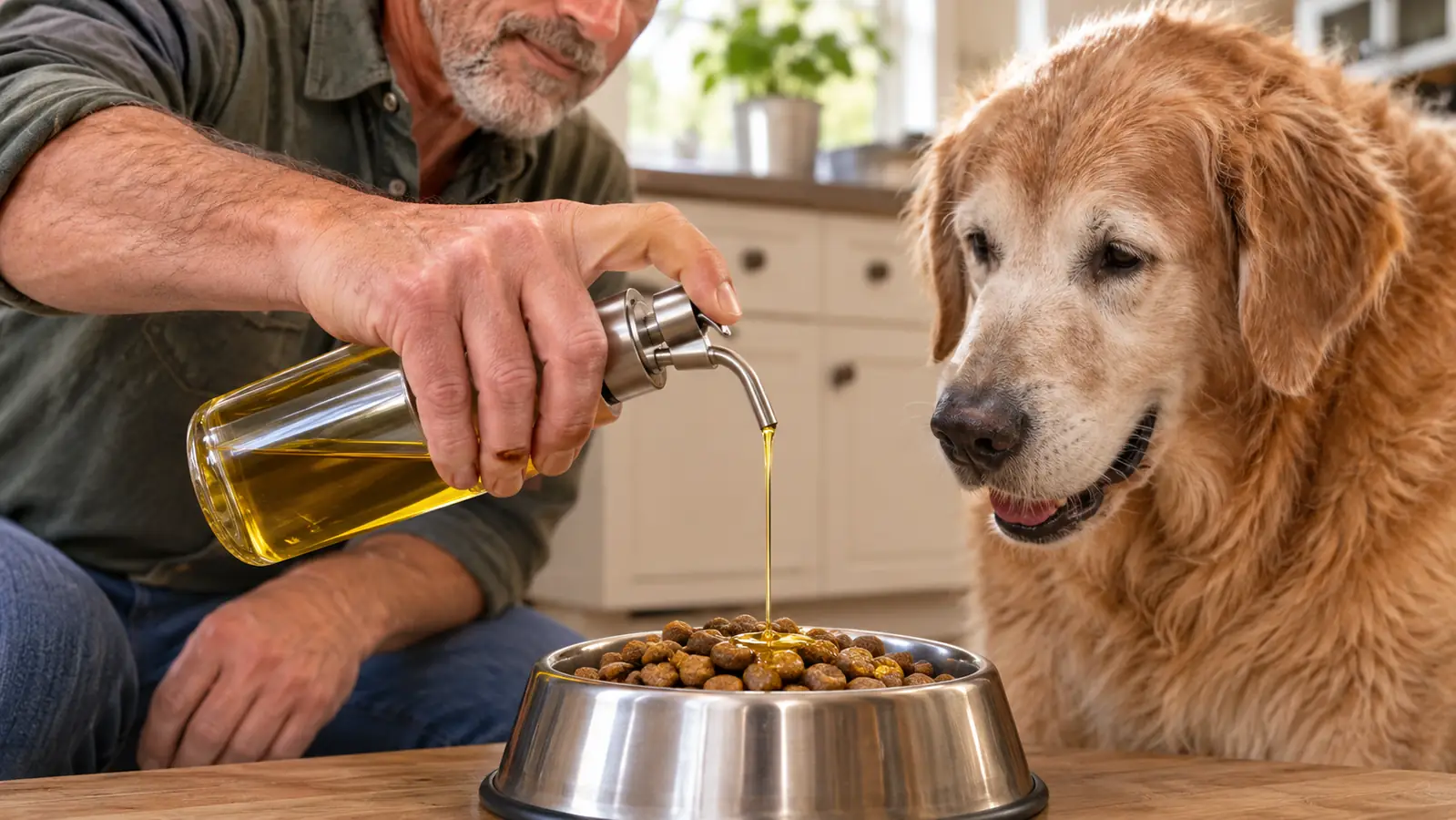
The second advantage is the pump. The bottle is 8 oz, and the pump gives me a consistent dose without a measuring spoon. The label says 2 pumps per 20 pounds. I follow the label for Rosie's weight, and I confirmed it with Dr. Patel because Rosie was already on Cosequin. The bottle fits on the door of my refrigerator and does not take up much room. On a choir Sunday, when I am moving slow, that matters. I do not want to hunt around for a syringe.
What I noticed in Rosie was not dramatic. After about two months, her coat looked shinier. She scratched less. The itch season still showed up, but it was quieter. That is the kind of result I trust more than a before-and-after photo. It was a small shift in the right direction. If you are looking for a sudden cure, you will be disappointed. If you are looking for a reasonable daily supplement that your dog will actually take, Native Pet has been that for us.
Rosie does not care about the fishy smell. She licks it off her kibble. If your dog is picky, that is a real question. Native Pet smells like fish. I would not call it perfume. But she takes it, and she waits for breakfast.
Where Welactin Wins
Welactin wins on vet familiarity. It is the brand I have seen in clinic display cases and the one a vet tech might name when you ask what they carry. That matters for people who want to start with something their clinic already knows. I am not a vet, and I am not going to tell you to ignore your vet's recommendation. If Dr. Patel had pointed me to Welactin first, I would have tried it.
Welactin also has the advantage of time in the market. It has been sold for years, and for a household with more than one dog, a larger bottle can mean fewer reorders. I have one dog, so an 8 oz bottle lasts me a while. If you have two Labs and a shepherd, your math is different. Check the concentration on the label, because a bigger bottle is not automatically a better value. The dose is what matters.
The other thing Welactin has going for it is the conversation with your vet. If your clinic sells it, you can ask about the dose and the concentration in the same visit. That is worth something. I had to bring my own bottle and ask Dr. Patel to check the label. She did, and she was fine with it, but I was the one who started the conversation. If you want the brand to be the one your vet already knows, Welactin has the edge.
The pump bottle that made Rosie's breakfast simpler
Native Pet Omega 3 is an 8 oz pump bottle with wild-caught salmon and pollock oil. The label dose is 2 pumps per 20 lbs, and the pump keeps the oil off my floor. If your dog needs a fish oil and your vet says it is okay, this is the one I kept using.
Amazon Check Today's Price on Amazon →Dosing, Smell, and the First Week
I started Native Pet slowly. The label amount for Rosie is based on her weight, but I did not begin there. I gave her a smaller amount for a few days and worked up over a week. Her stomach is sensitive, and I did not want to spend a night on the porch with a dog who ate too much oil too fast. She had no loose stool. That is not a guarantee for your dog. Fish oil is fat, and fat can upset a stomach. Ask your vet, especially if your dog has pancreatitis or is on medication.
The smell is real. It is fish oil. I keep the bottle in the fridge, and I wipe the pump with a paper towel. Rosie does not mind. She waits for it. If your dog turns up their nose, ask your vet about another form. Do not force a dose. A dog who refuses the oil is a dog who is not getting it.
Consistency matters more than the brand name. A fish oil only helps if it goes into the bowl most days. I keep the bottle in the same spot, next to the Cosequin, so I do not forget. The pump helps because I do not have to think. If you have a busy house, put the bottle where you will see it at breakfast. If you have a dog who eats fast, watch to make sure the oil goes in the bowl and not on the floor.
After about two months on Native Pet, Rosie's coat looked shinier and she scratched less. The itch season still showed up, but it was quieter.

What Two Months Looked Like
I started Native Pet last July, when the late-summer itching began. For the first two weeks I watched for stomach trouble. None. By the end of the second month, her coat had more shine. She scratched less. The itch season still showed up. I still found her chewing at her flank some evenings. I am not going to tell you the oil cured her allergies. It did not. It helped the skin and coat part of the problem, and that was enough for me to keep the bottle.
Her hips are a separate story. Native Pet's listing says joint health, but I did not see a sudden change in how she got up from her bed. Rosie has mild hip arthritis, and she takes Cosequin for that. The fish oil is not a replacement for her joint supplement or for Dr. Patel's advice. If you are expecting a fish oil to fix arthritis, you will be disappointed. If you want to support skin and coat while your vet manages the rest, this is a reasonable piece of the routine.
What I Would Ask Your Vet
Before you buy either oil, ask three questions. Is fish oil safe for my dog's current medications? How many milligrams of omega-3 should my dog get per day, and does this label match that? And what signs should make me stop and call you? I asked Dr. Patel those questions about Rosie. The answers were specific to her weight, her Cosequin, and her stomach. A blog post cannot give you that.
I would also ask about the form. Some dogs do better with a liquid, some with a chew. Some owners need a pump because measuring is hard. There is no prize for choosing the harder method. If your dog will not take a liquid, a chew or a different brand may be the better answer. The goal is a routine you can keep, not a bottle that looks good in the pantry.
Who Should Buy Which
Choose Native Pet Omega 3 if you have one dog, you want a small pump bottle, and you like seeing two named fish sources on the label. It fits a breakfast routine. It is easy to dose. It smells like fish, and my dog does not care. If your dog is picky, buy a small bottle first or ask your vet about a chew.
Choose Welactin if your vet recommends it, if your clinic stocks it, or if you have multiple dogs and want a larger bottle. Familiarity has value. So does a brand that has been in the vet world for years. I would not argue with anyone who picks it on their vet's advice. The best fish oil is the one your dog will take consistently and the one your vet approves.
One more piece of advice: make one change at a time. If you are switching foods, starting a new supplement, or trying a new treat, do not do all three in the same week. If your dog has loose stool, you will not know which change caused it. I learned that last spring when I switched Rosie's food too fast. Dr. Patel suggested a probiotic, and we got her settled. Since then I space out new things.
Either way, do not treat fish oil as a cure. It is a supplement. It can help skin and coat, and it may support joints, but it will not replace a diagnosis. If your dog is lame, itchy, losing weight, or having stomach trouble that lasts more than a day or two, call your vet. I say that as a dog owner, not a veterinarian.
A simple pump for the dog who waits for breakfast
Native Pet Omega 3 comes in an 8 oz pump bottle with wild-caught salmon and pollock oil. If your vet says fish oil is fine for your dog, this is the bottle I kept on the shelf.
Amazon Check Today's Price on Amazon →